In the world of witchcraft, few tools are as essential as your own intuition. While candles, crystals, herbs, and ritual objects all hold their power, your inner sense—the quiet voice within— guides the weaving of your magical practice. Developing intuition not only enhances spellwork but also deepens your connection to the unseen energies that flow through the universe.
What Is Intuition?
Intuition can be thought of as the ability to know something without conscious reasoning. Psychologists sometimes describe it as a form of implicit learning, while mystics view it as a channel to divine wisdom. In divination practices like tarot, scrying, or astrology, it is intuition that interprets the symbols and messages. Without it, readings would feel flat or mechanical.
Why Intuition Matters in Witchcraft
Intuition acts as a compass in spiritual work. When performing rituals or spells, it helps determine the right timing, tools, and energy flow. In meditation, intuition often brings forth messages or visions that guide the practitioner. Many traditions, from Wicca to shamanism, place a high value on listening inwardly and trusting the insights that arise.
Beyond magic, intuition helps witches navigate everyday life. It can serve as a protective ally, warning when a situation feels unsafe, or nudging toward opportunities aligned with one’s path. The more it is trusted and exercised, the sharper and more reliable it becomes.
Ways to Sharpen Intuition
1. Daily Meditation
Practicing quiet reflection strengthens your connection to your subconscious. Even five minutes of breathing and focusing on your inner awareness each day can deepen intuitive perception.
2. Work with Divination Tools
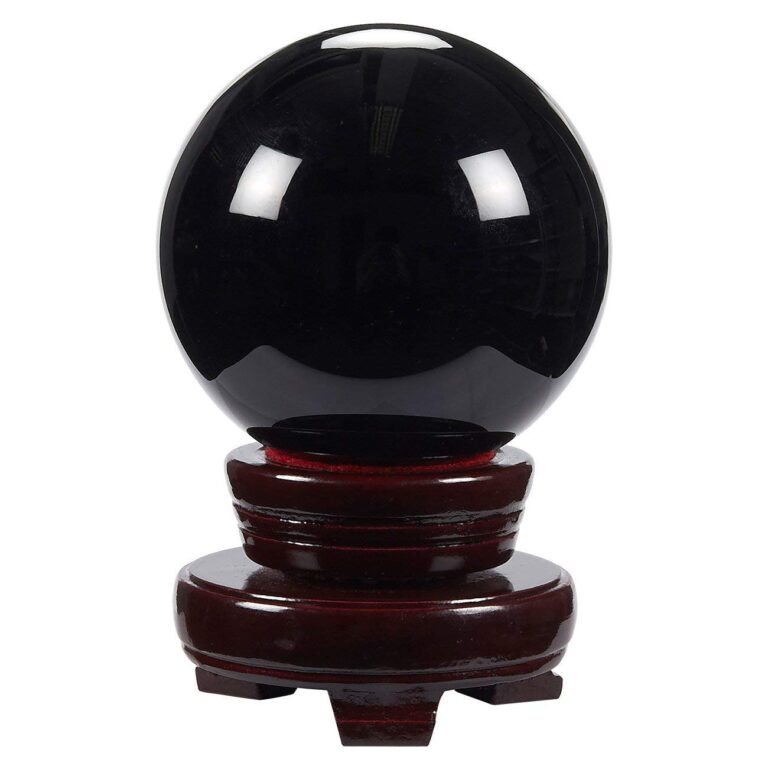
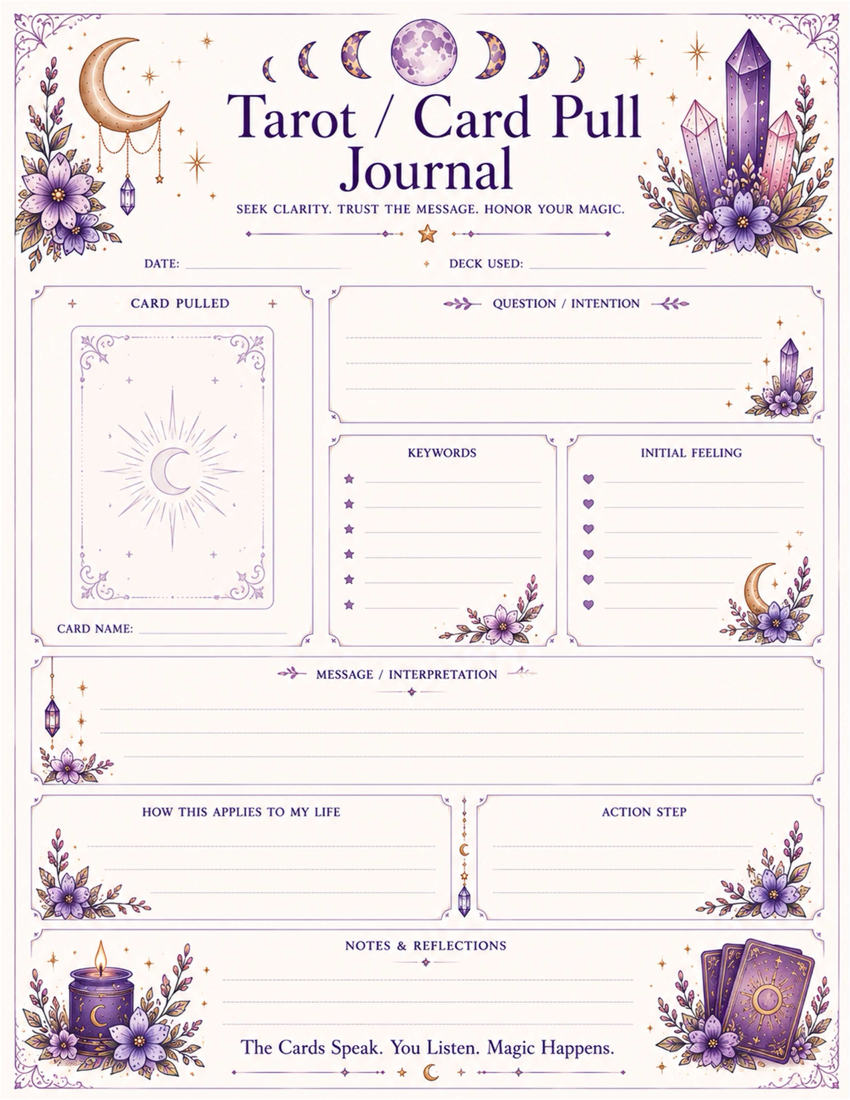
Using tarot cards, pendulums, or runes provides a framework to exercise intuition. The symbols open doors to inner knowing, and the act of interpreting them is a direct training ground for your psychic senses.
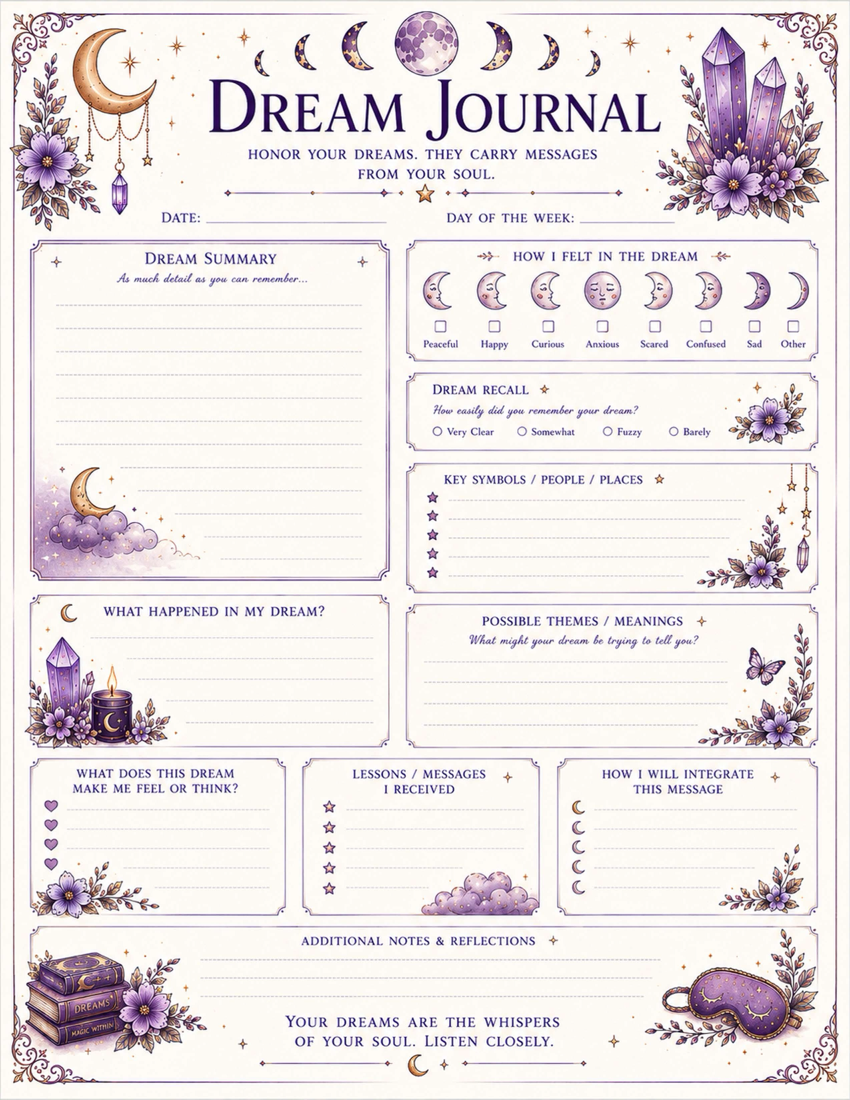
3. Keep a Dream Journal
Dream interpretation has long been tied to intuition. Writing dreams down upon waking allows you to identify recurring themes and messages that come from your unconscious mind.
4. Spend Time in Nature
Nature is a powerful teacher. Sitting beneath a tree, walking barefoot, or simply observing the cycles of the moon can align you with the natural rhythms that heighten awareness and intuitive insight.
5. Trust Your Gut
One of the most effective ways to sharpen intuition is simply to honor it. When your inner sense nudges you, listen. The more you practice, the stronger this inner voice grows.
Intuition gets sharper when you practice noticing, recording, and checking your impressions without turning every feeling into a prophecy.
Separate Intuition From Anxiety
Intuition often arrives quietly and specifically. Anxiety often loops, escalates, and demands certainty. When you get an impression, write it down without acting immediately. Ask whether it points to a useful next step or only feeds fear.
Use Small Tests
Practice with low-stakes questions: which route feels calmer, what card summarizes the day, what herb matches your mood, what task needs attention first. Then check the result later. Small tests build discernment without drama.
Create A Signal Journal
Track body sensations, dreams, repeated symbols, tarot pulls, and moments when you knew something before you had words for it. Also track misses. Honest records are what make intuition stronger.
Ground Before Reading
Eat, drink water, breathe, and name the room before doing divination. A grounded body reads more clearly than a frantic one.
Related Practice
For more context, explore the Witchcraft Guides, ritual recipes, and Grimoire Starter Checklist. Use those pages to turn this topic into notes, repeatable steps, and personal observations.
Make This Practice Your Own
Use verification windows. If you sense that something needs attention, write down what you sensed and when you will check it. This turns intuition into practice rather than endless guessing.
A Beginner-Friendly Variation
Notice the body state around accurate impressions. Were you calm, tired, tense, relaxed, distracted, or grounded? Your body may show you the conditions where intuition is easiest to hear.
What To Record
Balance intuition with facts. A feeling can tell you where to look; evidence helps you decide what to do.
For a fuller practice record, note the date, moon phase, materials, mood, action taken, and any result you can observe later. This keeps Sharpening Your Intuition connected to lived experience instead of leaving it as a one-time idea.
How To Know It Is Working
With Sharpening Your Intuition, look for ordinary evidence before looking for dramatic signs. A useful practice should make your next step clearer, help you notice a pattern, or change how you behave in a small but visible way. If nothing in daily life changes, the ritual may need a clearer purpose or a simpler action attached to it.
Give the work a time frame. For a quick spell, review it after a day or a week. For a habit, planner page, protection practice, or relationship-focused ritual, review it after one moon cycle. Write what happened, what did not happen, and what you would change. That review is part of the magic because it turns vague hope into learning.
Common Mistakes To Avoid
Do not add more tools just because the result feels uncertain. More herbs, stones, cards, candles, or pages can make the practice harder to understand. Start with the smallest version that still feels meaningful, then adjust one thing at a time. Also avoid treating correspondences as rules. They are language, not law.
If the working involves another person, keep consent and boundaries in mind. Focus on your clarity, courage, communication, healing, protection, or choices. If the working involves safety, health, money, housing, or legal concerns, pair spiritual practice with qualified real-world help and practical planning.
A Simple Closing Step
End by naming one mundane action. Clean the space, send the message, make the appointment, drink water, update the budget, prepare the notebook, or rest. Closing with action keeps the practice grounded and gives you something specific to evaluate later.