Skip to content

Cards, history, and spreads

Tarot History & Spreads

Tarot is both a historic card tradition and a modern reflection tool. This hub connects the origin story, common spreads, and practical reading habits.

Guide Overview

From Card History To Better Readings

Tarot becomes easier to read when you understand both sides of it: the older card tradition and the modern symbolic language people use for reflection. You do not need to memorize every system before reading, but context helps the cards feel less random.

A good spread gives the reading boundaries. The question, card positions, and final takeaway should all work together so the reading ends with insight you can actually use.

Choosing A Spread

Choose the smallest spread that can answer the question. Larger spreads are useful when you need context, but they can blur a simple issue.

  • One card for a daily theme.
  • Three cards for a compact story.
  • Five cards for context, obstacle, support, action, and outcome.

Reading Card Imagery

Before reaching for a guidebook, describe what you see: direction, expression, color, weather, posture, and repeated symbols.

  • Name the first detail that catches you.
  • Look for tension between cards.
  • Connect imagery to the question.

Keeping A Tarot Journal

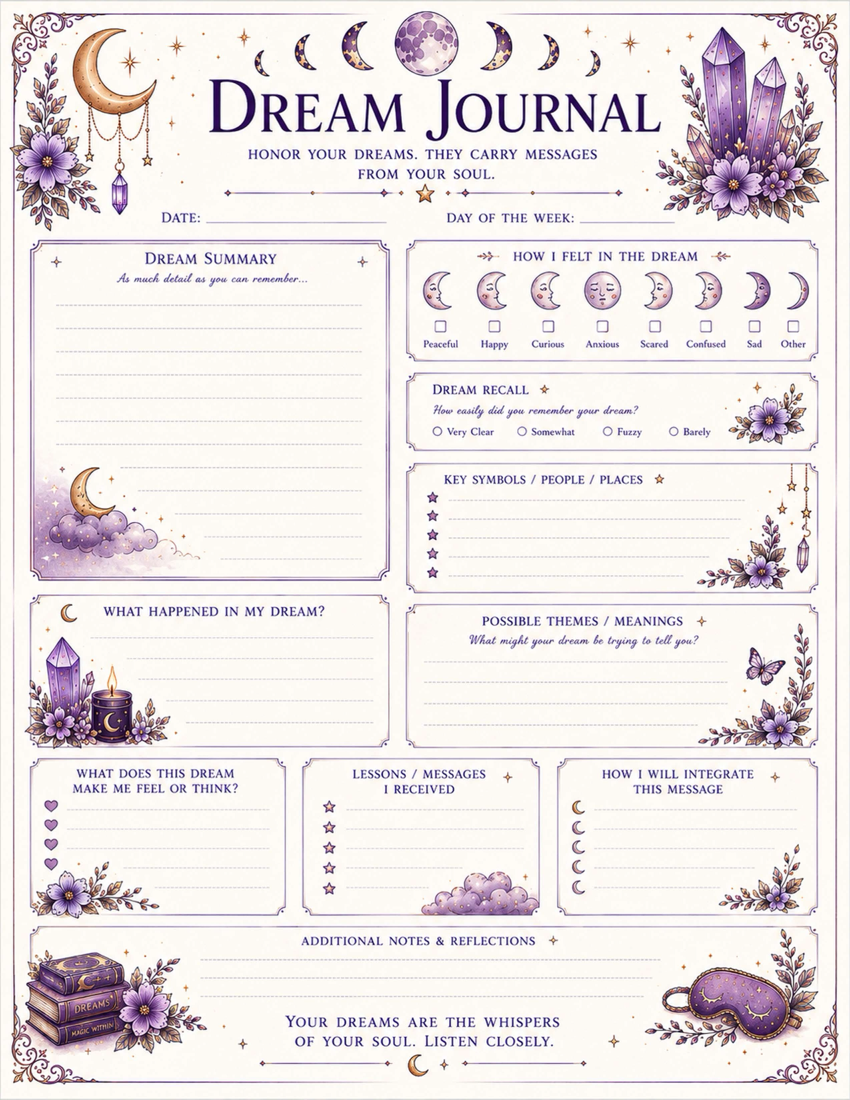
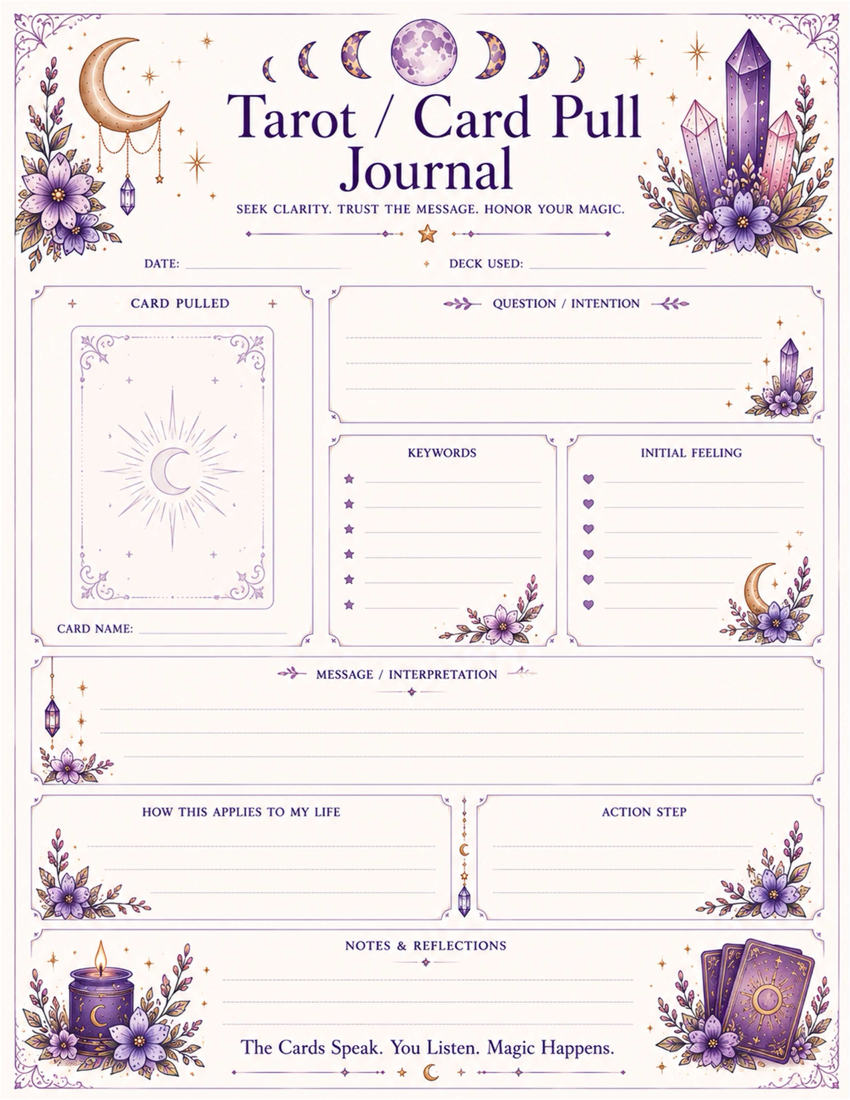
A tarot journal turns readings into a practice instead of isolated card pulls.

  • Record the question and spread.
  • Write one sentence per card.
  • Return later to note what proved useful.

Tarot origins

Tarot began as a card game in fifteenth-century Europe before occultists and readers developed the symbolic systems used today.

One-card readings

A one-card pull is best for a daily theme, a journaling prompt, or a single point of focus.

Three-card spreads

Three cards can map past, present, future; mind, body, spirit; or situation, challenge, advice.

Better questions

Ask open questions such as what needs attention, what pattern is repeating, or what action is available now.

Practice Notes

Read With A Clear Spread

  1. State the question before drawing cards.
  2. Choose a spread that fits the size of the question.
  3. Read card imagery before reaching for memorized meanings.
  4. Write one practical takeaway after the reading.

Common Questions

Who invented tarot reading?

Tarot cards developed over time. The cards are older than their divinatory use, which became prominent in later occult traditions.

What is the easiest tarot spread for beginners?

A one-card draw or a three-card spread is easiest because the structure is simple and repeatable.

Do reversed cards matter?

They can, but they are optional. Many readers use reversals to show blocked, internal, delayed, or shadowed energy.

Curated supplies

Latest products

View full shop