Spellwork is the practice of focusing intention through words, symbols, materials, timing, and action. A spell can be simple or elaborate, but it should always have a clear purpose and a practical closing step.
This hub organizes the main spell-related resources on Witchcraft Resource: spell jars, candle colors, how to write a spell, herbs and crystals, moon timing, and beginner-friendly spell structure.
What Is Spellwork?
Spellwork uses symbolic action to support a desired change. That action might be lighting a candle, writing a petition, tying a knot, creating a sigil, building a spell jar, taking a ritual bath, cleansing a room, or placing an object on an altar. The material does not do the work alone. The intention, timing, action, and follow-through all matter.
Beginner Spell Structure
- Intention: write the purpose in one plain sentence.
- Timing: choose a moon phase, weekday, season, or practical deadline.
- Correspondences: choose herbs, crystals, colors, symbols, or tools that match the goal.
- Action: light, write, tie, wash, place, carry, bury, release, or speak.
- Closing: ground, clean up, give thanks, and take one ordinary step.
- Record: note the date, materials, mood, and result in your grimoire.
Spell Jar Basics
A spell jar is a small container filled with symbolic ingredients for one purpose. Start with Spell Jar Basics, then use Herbs & Crystals and Candle Color Meanings to choose focused materials.
Candle Colors And Ingredients
Candle colors help focus the spell visually. Herbs, crystals, paper, thread, water, salt, and symbols can all support the same intention. Use fewer ingredients with stronger reasons rather than adding everything that sounds magical.
How To Write A Spell
If you are creating your own working, read How to Write a Spell. A good spell has a clear sentence, ethical boundary, symbolic action, and review point.
Related Spellwork Articles
- Protection Magic for Beginners
- Bay Leaf Spells
- Cinnamon Money Magic
- Full Moon Release Ritual
- Sigil Generator
FAQ
What is spellwork?
Spellwork is focused ritual action that uses intention, symbols, timing, and follow-through to support a desired change.
What do beginners need for spellwork?
Beginners can start with paper, a pen, a candle or battery candle, safe kitchen herbs, a clean surface, and a clear intention.
Are spell jars good for beginners?
Yes, spell jars are beginner-friendly when they have one purpose, safe dry ingredients, and a clear place to live after they are made.
Beginner Spell Types
Common beginner spell types include protection, cleansing, confidence, focus, calm, prosperity, release, and self-love. These are easier to practice because they can be paired with ordinary actions: cleaning, budgeting, studying, resting, communicating, or setting boundaries.
Ingredients And Correspondences
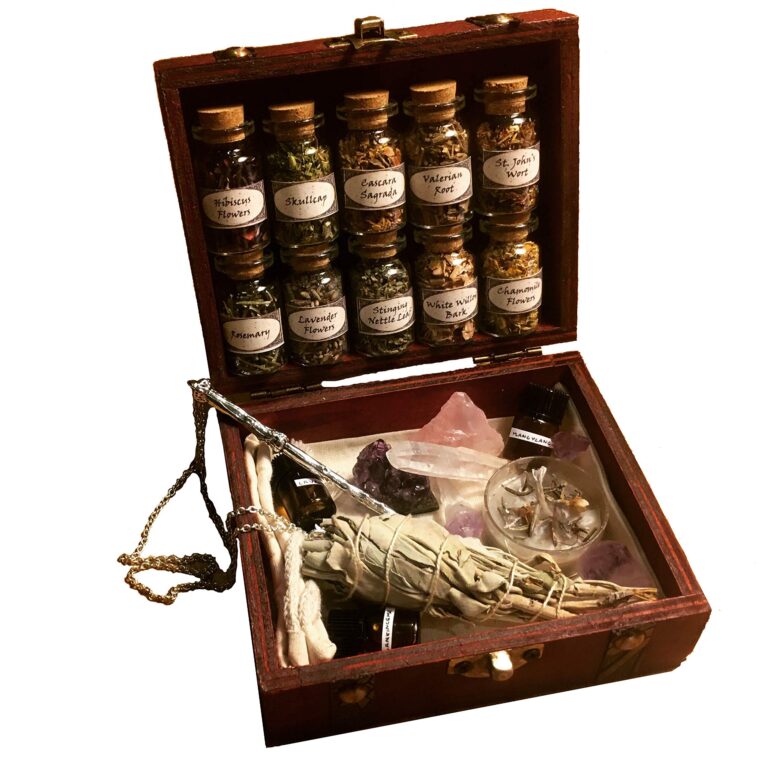
Ingredients are symbolic helpers. Herbs, crystals, candle colors, moon phases, written petitions, water, thread, jars, and sigils all work best when they point toward the same goal. If a material does not clearly support the intention, leave it out.
How To Review A Spell
Set a review date when you write the spell. Ask what changed, what action you took, what felt unclear, and whether the spell should be repeated, revised, or retired. This makes spellwork a practice of learning rather than one-time wishing.
How This Hub Connects To The Rest Of The Site
This hub is meant to be a doorway, not a dead end. After reading the overview, choose one related guide, one practical tool, and one place to record the result. For example, a beginner might read the guide, try a moon phase or tarot tool, then write a short grimoire note about what they learned.
That pattern creates a stronger practice and a clearer path for readers: learn the idea, use a tool, record the result, and decide whether a printable page, supply, recipe, or deeper article would help. It also keeps the site focused on practical beginner witchcraft rather than broad, vague definitions.
What To Do Next
If you are new, start small. Pick one spell record, one moon note, one correspondence, one card pull, or one supply decision. Use the internal links on this page to move to the next step only when you know what you are trying to practice. A clear path is better than opening ten tabs and buying supplies before you know what you need.
Spellwork And Grimoire Records
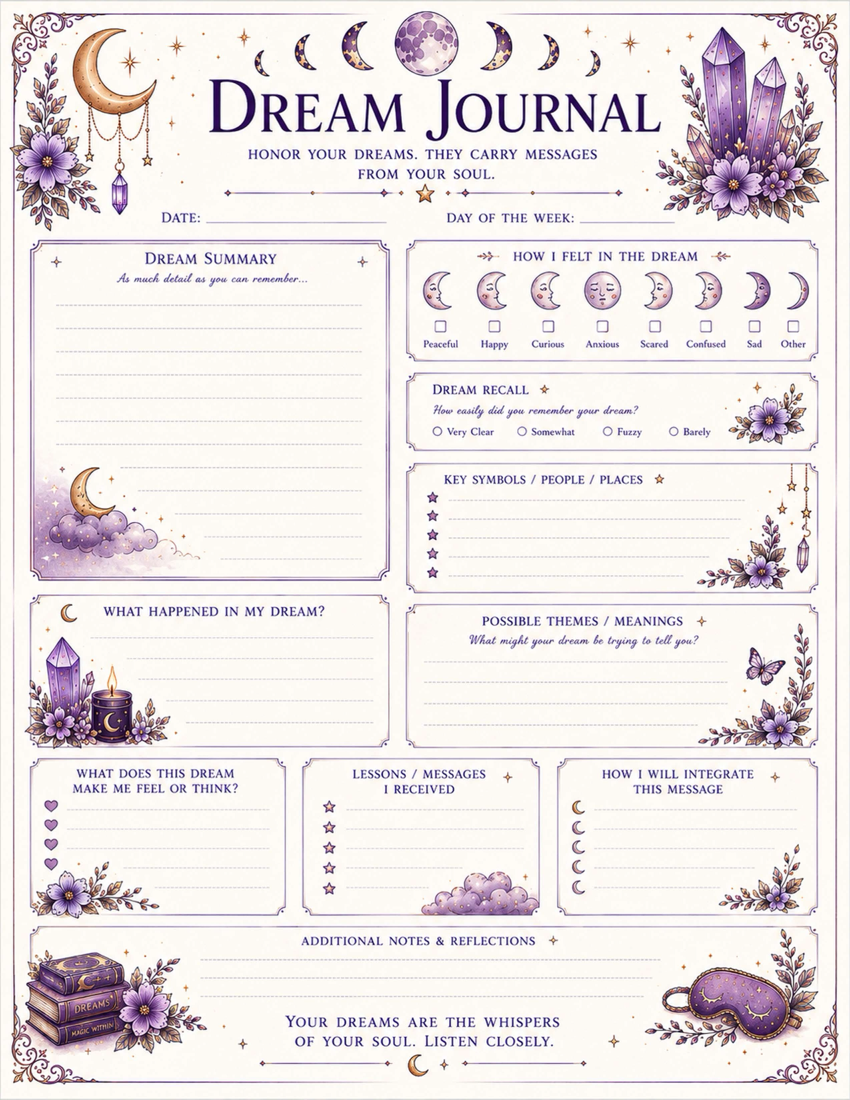
Every spell should leave a record. Write the intention, ingredients, timing, action, and review date before you begin. After the working, add what happened and what you did in ordinary life. This makes each spell a lesson you can improve instead of a one-time performance.
Use this page as a planning checkpoint: read the overview, choose one related article, follow one internal link, and write one note about what you will actually practice next.