Protection magic is most useful when it helps you name a boundary and support it with ordinary action. A beginner practice can be simple: clean the threshold, write the boundary, choose one symbol, and record what changed.
Start with the boundary
Before choosing herbs, candles, or crystals, define what needs protection. A home boundary, sleep boundary, work boundary, and emotional boundary all need different actions. Write the sentence plainly so the spell has a clear job.
Protection work should not be used to control another person. Focus on your space, your attention, your belongings, your nervous system, and your choices.
Beginner methods
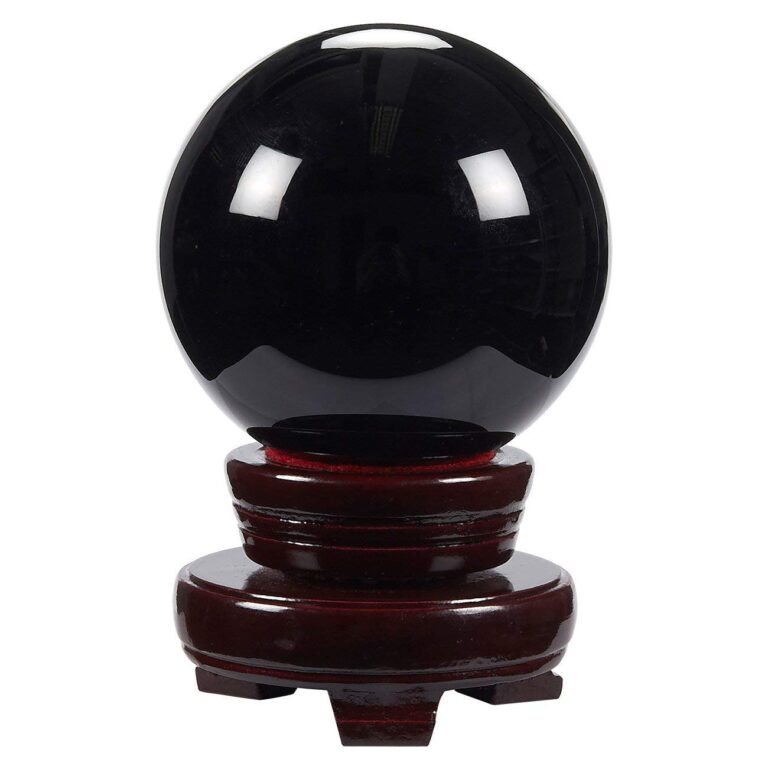
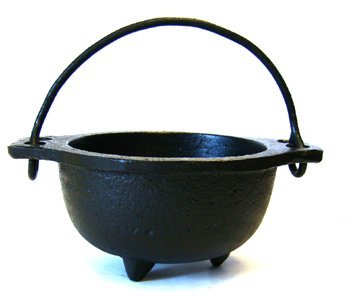
A protection bowl can sit near a doorway. A charm can stay in a bag. A black candle can mark a banishing or boundary ritual if it can be burned safely. A written ward can be folded into a grimoire page or placed under a mat.
Smoke-free options are fully valid. Sound, cleaning, salt packets, spoken boundaries, and visual symbols can all support protective practice without smoke or strong scent.
Review the result
After a few days, ask whether the practice helped you act differently. Did you lock the door, mute a thread, sleep better, or keep a desk clearer? The magical record matters because it shows which methods actually support you.
Practical Checklist
- Name one boundary in one sentence.
- Choose one symbol or material that matches the boundary.
- Pair the spell with a real action such as cleaning, locking, muting, moving, or asking directly.
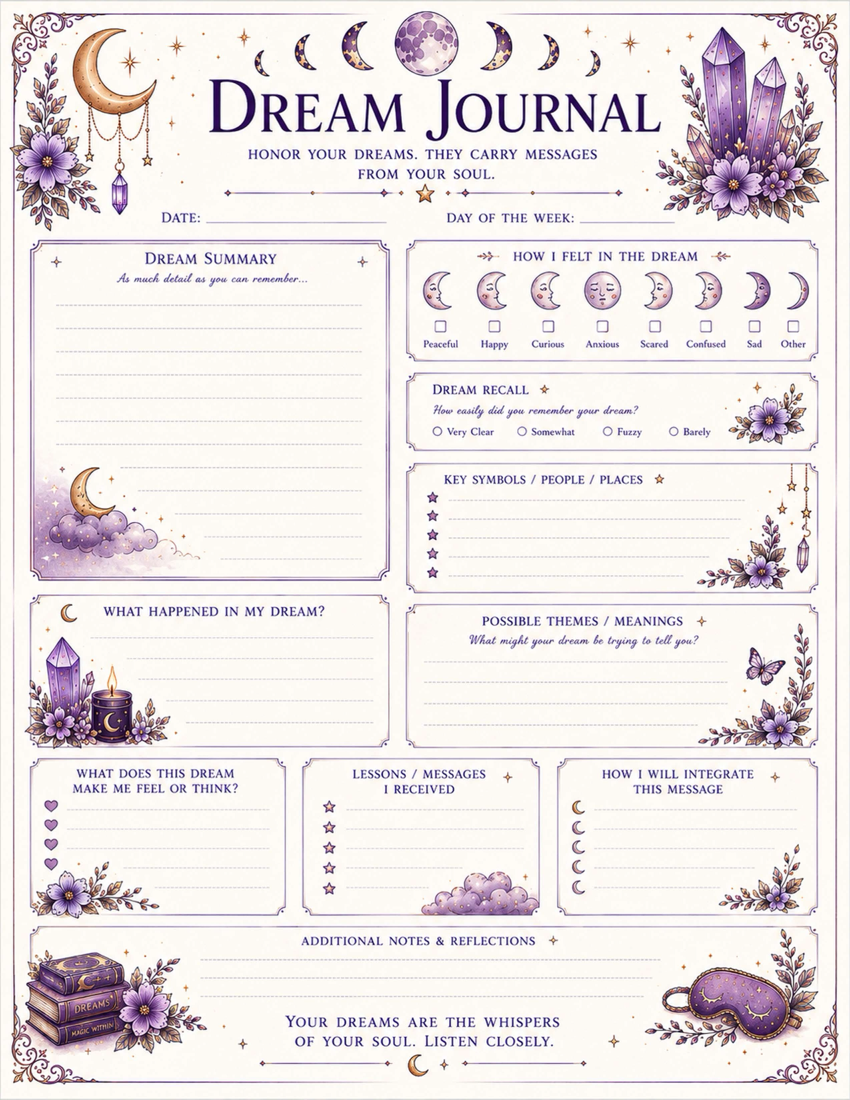
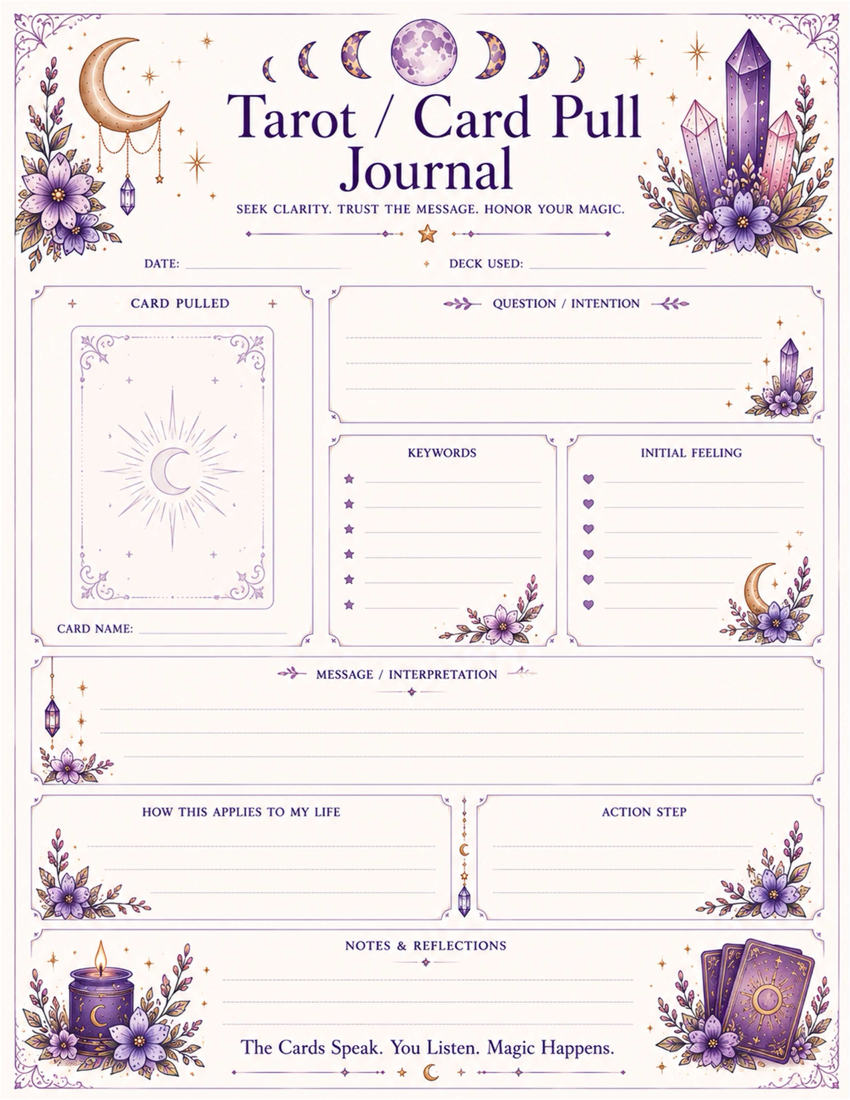
- Record the date, method, mood, and result.
- Refresh or retire the ward when it starts to feel like clutter.
Keep Exploring
Use this guide with Spell Builder, Herbs for Protection, Correspondence Finder.
Worked Example: Doorway Protection
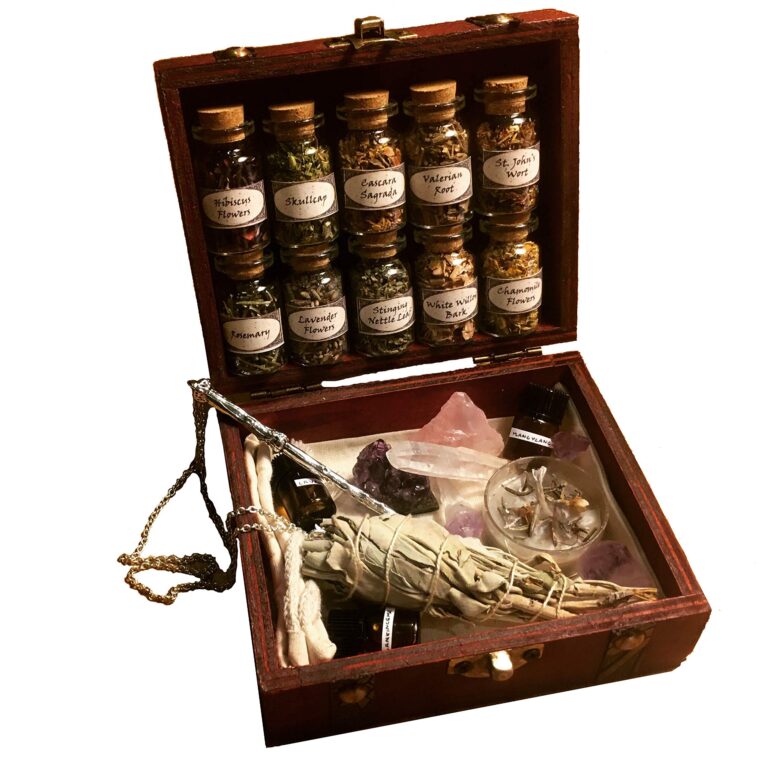
Clean the doorway first so the working has a physical reset. Place a small covered bowl or packet near the entrance with rosemary for protection, a bay leaf for strength, and a written sentence such as “Only respectful, honest, and welcome energy enters this home.” If you cannot use herbs, write the plant names on paper and fold the petition around a key symbol.
After placing the bowl, do one practical boundary task. Lock a window, change a code, update a contact boundary, or remove clutter from the entry. This keeps the spell from becoming a decoration with no behavioral support.
Common Beginner Mistakes
- Trying to protect against every possible fear instead of naming one boundary.
- Using salt loose where pets, children, or moisture can reach it.
- Never refreshing the bowl, so it becomes stale clutter.
- Doing protection work while avoiding the ordinary conversation or safety step that is needed.
What To Record
Write the date, placement, materials, exact boundary, and practical action. Review after one week. If the space feels clearer and your behavior changed, keep the method. If nothing changed, simplify the boundary or choose a more direct ordinary action.