Writing a spell is easier when you stop trying to make it mysterious and start making it clear.
A strong spell has five parts: intention, timing, correspondences, action, and closing.
Start With Intention
Write the goal in one sentence. If the sentence tries to do three things at once, split it into separate workings.
Choose Materials With A Job
Every candle, herb, crystal, color, or symbol should have a reason. If you cannot explain what it is doing, leave it out.
Close The Work
Closing can be grounding, giving thanks, cleaning up, journaling, or taking a practical step. It tells your mind that the ritual is complete.
Related Resources
Writing a spell is less about dramatic wording and more about building a clear container for intention, action, and follow-through.
Start With One Sentence
Write the whole purpose in one plain sentence before choosing candles, herbs, crystals, or timing. A useful sentence names the change you want, the boundary around it, and the practical action that will support it. For example: “I am creating calmer evenings by protecting my time after work and clearing my desk before bed.” That sentence gives the spell a shape and keeps it from becoming a pile of pretty objects.
Choose Symbols That Match The Goal
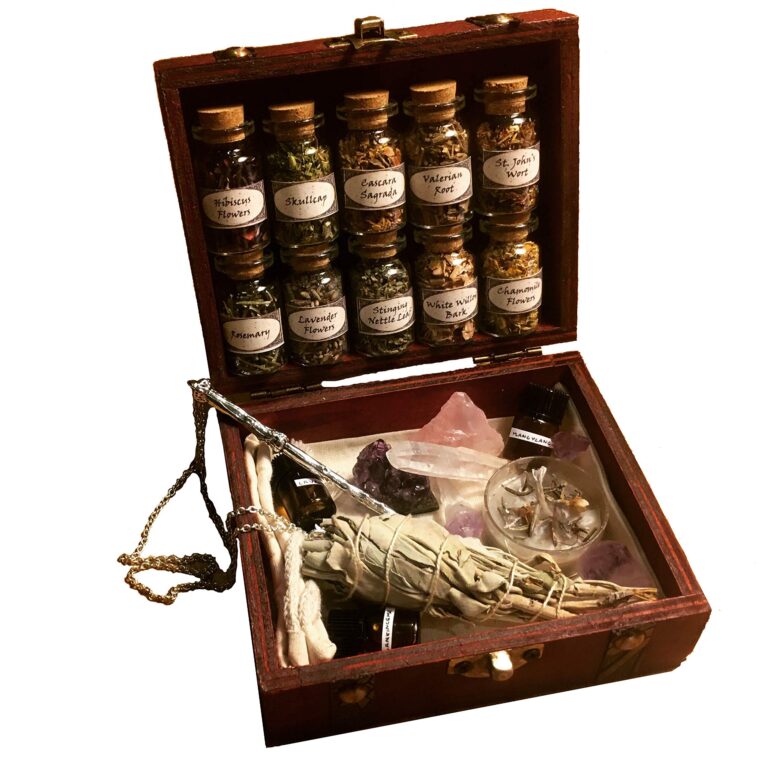
Pick two or three symbols that actually support the sentence. A candle can represent focus, an herb can represent the quality you want to invite, and a written petition can hold the exact words. If you are unsure what to choose, cross-check the Magical Herbs A-Z, Crystal Meanings A-Z, and candle color meanings instead of adding every correspondence you know.
Build The Spell In Four Parts
A simple written spell can have an opening, a statement of intention, a symbolic action, and a closing. The opening marks the start. The intention says what the spell is for. The action might be lighting a candle, folding a petition, tying a thread, stirring a simmer pot, or placing a stone on a page. The closing releases the work and names the mundane step you will take next.
Record The Result
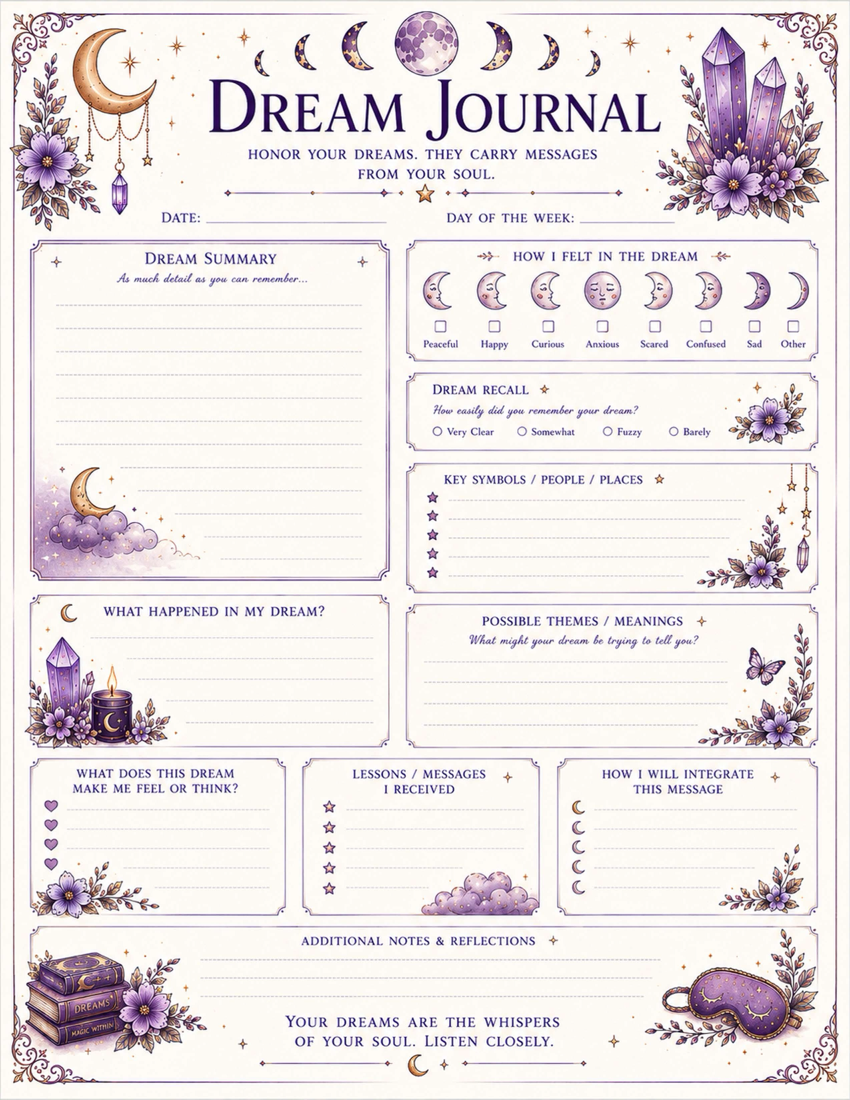
Leave space in your grimoire for date, moon phase, materials, mood, and results. A spell that is recorded becomes something you can learn from. If nothing changes, the notes help you adjust the timing, wording, or practical action next time.
Related Practice
For more context, explore the Witchcraft Guides, ritual recipes, and Grimoire Starter Checklist. Use those pages to turn this topic into notes, repeatable steps, and personal observations.
Make This Practice Your Own
Before you perform the spell, read it out loud once and listen for vague language. Replace words like “better,” “more,” or “good” with a concrete result. A strong spell can still be poetic, but it should not hide the actual goal from you.
A Beginner-Friendly Variation
Try writing three versions: a one-line petition, a spoken charm, and a practical checklist. If all three versions point to the same action, the spell is focused. If each version points somewhere different, revise before adding materials.
What To Record
After the spell, write what you did within twenty-four hours. This mundane follow-through is part of the work: send the message, prepare the application, clean the room, make the budget, rest, or set the boundary.
For a fuller practice record, note the date, moon phase, materials, mood, action taken, and any result you can observe later. This keeps How to Write a Spell connected to lived experience instead of leaving it as a one-time idea.
How To Know It Is Working
With How to Write a Spell, look for ordinary evidence before looking for dramatic signs. A useful practice should make your next step clearer, help you notice a pattern, or change how you behave in a small but visible way. If nothing in daily life changes, the ritual may need a clearer purpose or a simpler action attached to it.
Give the work a time frame. For a quick spell, review it after a day or a week. For a habit, planner page, protection practice, or relationship-focused ritual, review it after one moon cycle. Write what happened, what did not happen, and what you would change. That review is part of the magic because it turns vague hope into learning.
Common Mistakes To Avoid
Do not add more tools just because the result feels uncertain. More herbs, stones, cards, candles, or pages can make the practice harder to understand. Start with the smallest version that still feels meaningful, then adjust one thing at a time. Also avoid treating correspondences as rules. They are language, not law.
If the working involves another person, keep consent and boundaries in mind. Focus on your clarity, courage, communication, healing, protection, or choices. If the working involves safety, health, money, housing, or legal concerns, pair spiritual practice with qualified real-world help and practical planning.
A Simple Closing Step
End by naming one mundane action. Clean the space, send the message, make the appointment, drink water, update the budget, prepare the notebook, or rest. Closing with action keeps the practice grounded and gives you something specific to evaluate later.
Step-By-Step Spell Structure
- Name the purpose: write the goal in one sentence.
- Set the boundary: decide what the spell will and will not do.
- Choose timing: moon phase, weekday, season, or practical deadline.
- Choose correspondences: pick one color, one herb or crystal, and one symbol if needed.
- Write the words: make the charm, petition, or spoken phrase clear and specific.
- Choose the action: light, tie, write, wash, place, carry, bury, release, or repeat.
- Close and record: ground, clean up, and write the result date in your grimoire.
Beginner Spell Template
Intention: I am working for [specific result].
Timing: I am doing this during [moon phase/day/season] because [reason].
Materials: I chose [item] for [meaning], [item] for [meaning], and [item] for [meaning].
Action: I will [ritual action] while saying [short phrase].
Follow-through: After the spell, I will [ordinary action].
Internal Practice Links
Use Spellwork for the full hub, Spell Jar Basics for container spells, Candle Color Meanings for color choices, and Grimoire Pages to record your spell.
FAQ
How do beginners write a spell?
Begin with one clear sentence, choose a few matching correspondences, decide on one ritual action, and close with a real-world follow-through step.
Does a spell need to rhyme?
No. Rhyming can help memory and rhythm, but plain clear language is usually better for beginners.
What should I write in a spell petition?
Write the intention, boundary, timing, and action. Keep the wording specific enough that you can evaluate it later.