Divination is most helpful when it supports reflection, choice, and clearer action. Tarot, runes, pendulums, scrying, and oracle cards can be meaningful tools, but they also need boundaries. Ethical divination respects consent, privacy, uncertainty, and real-world responsibility.
Ask questions you can act on
Questions about another person’s private thoughts, medical outcome, legal situation, or guaranteed future can pull a reading into shaky territory. Rewrite questions toward your own choices: “What do I need to understand?” “What boundary is mine to set?” “What information should I seek next?” “What action is available today?”
Consent and privacy
Be cautious about reading on someone who has not asked for it. Reading about your relationship pattern is different from trying to spy on another person’s inner life. If a reading involves someone else, keep the focus on your behavior, your needs, and the visible situation.
Anxiety loops
Divination can become compulsive when you ask the same question repeatedly for reassurance. If you feel driven to pull again and again, pause. Write what you already know, ground your body, and choose a practical step. A reading should leave you clearer, not trapped in another round of checking.
Professional support
Do not use divination as a replacement for medical, legal, financial, or mental-health care. A reading can help you reflect on feelings and options, but it should not override qualified support, safety planning, or emergency help.
Journal the limits
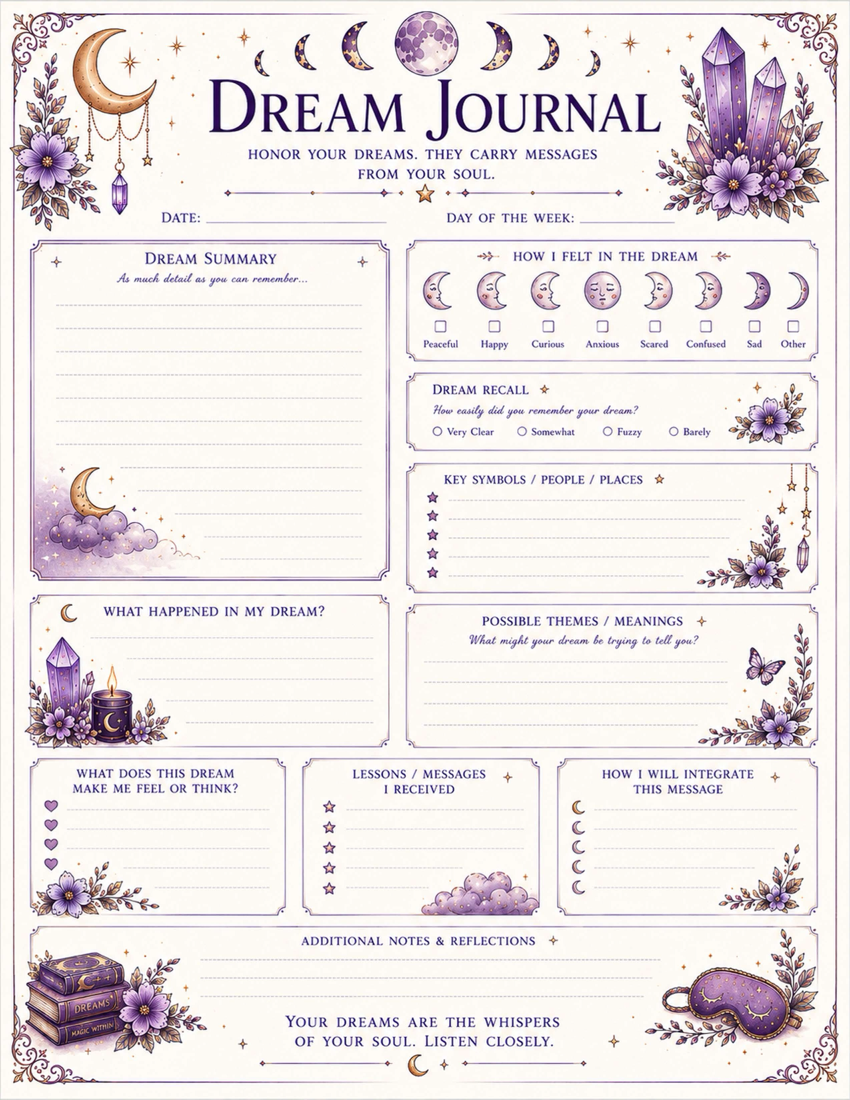
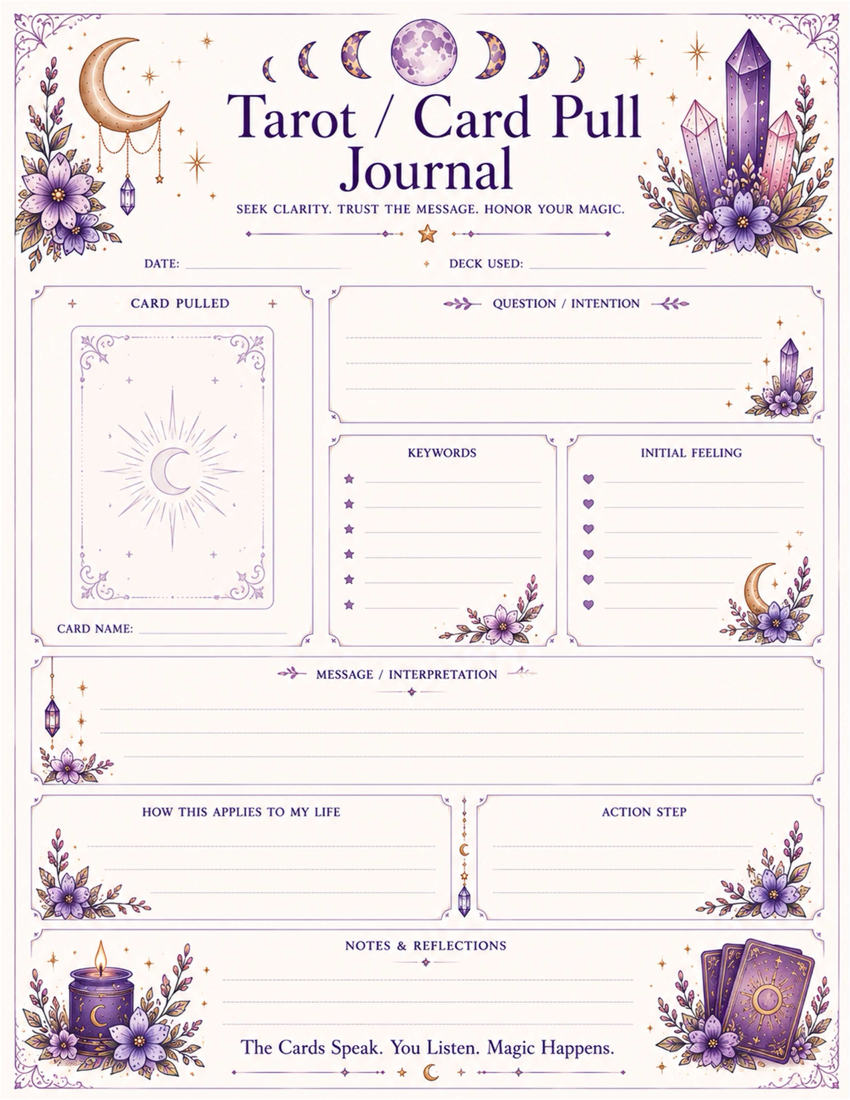
After a reading, record the question, method, result, interpretation, and action. Also record what the reading cannot answer. This habit keeps divination honest and makes future reviews more useful.
Related guides
Pair this with Tarot Journaling Guide, Reading Tarot When Emotionally Close, and Rune Reading Tool.
Worked Example: Relationship Question
Instead of asking “What do they secretly think of me?” ask “What do I need to understand about my part in this relationship?” or “What boundary would help me act with more clarity?” This keeps the reading focused on your choices rather than another person’s private interior life.
If the cards suggest conversation, the next step is not another reading. The next step is deciding whether a respectful conversation is possible and what you need to say.
Reader Responsibility
If you read for someone else, name the limits before beginning. Avoid promises, medical claims, legal claims, or certainty about someone’s future. A good reading gives language for reflection and action, not control.