Tarot gets harder when the question matters too much. When you are emotionally close to the answer, every card can start sounding like permission, warning, or doom. A good reading structure protects you from forcing the deck to say what you already fear.
Change The Question
Instead of asking, “Will this happen?” try “What can I understand clearly today?” or “What is the next wise action?” These questions move the reading away from fortune pressure and toward useful reflection.
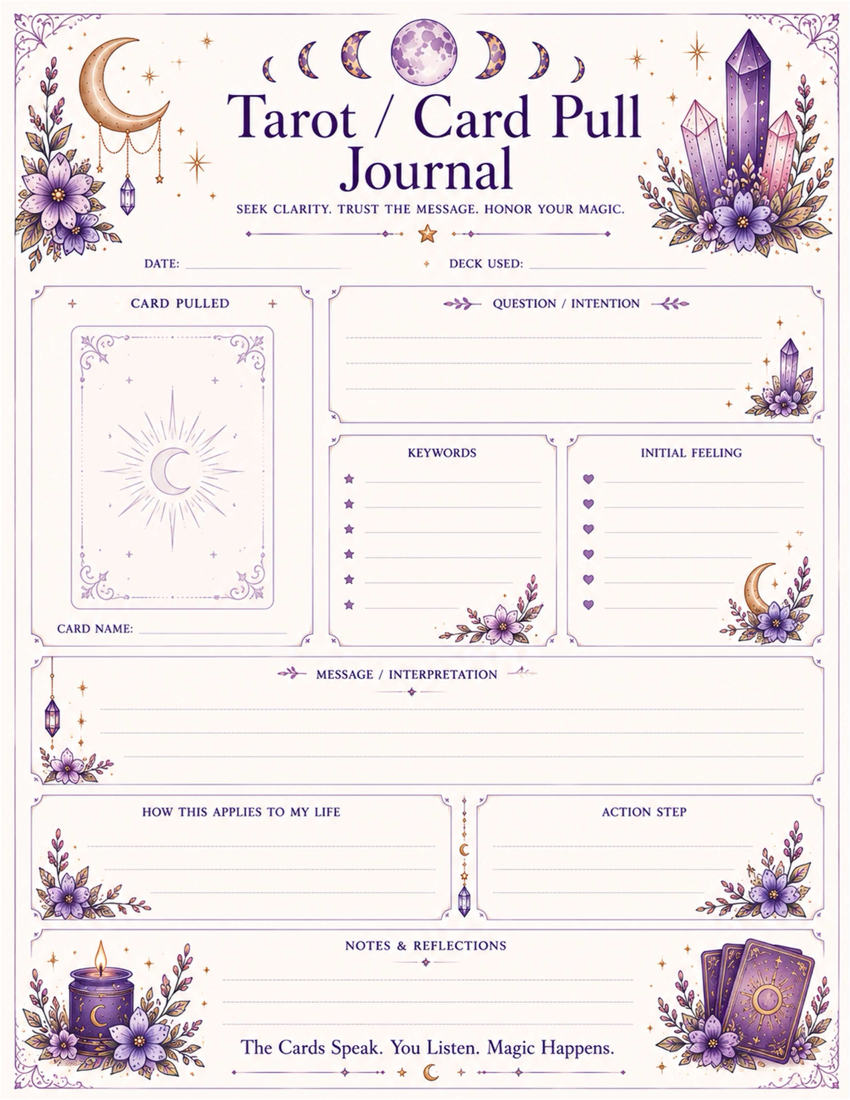
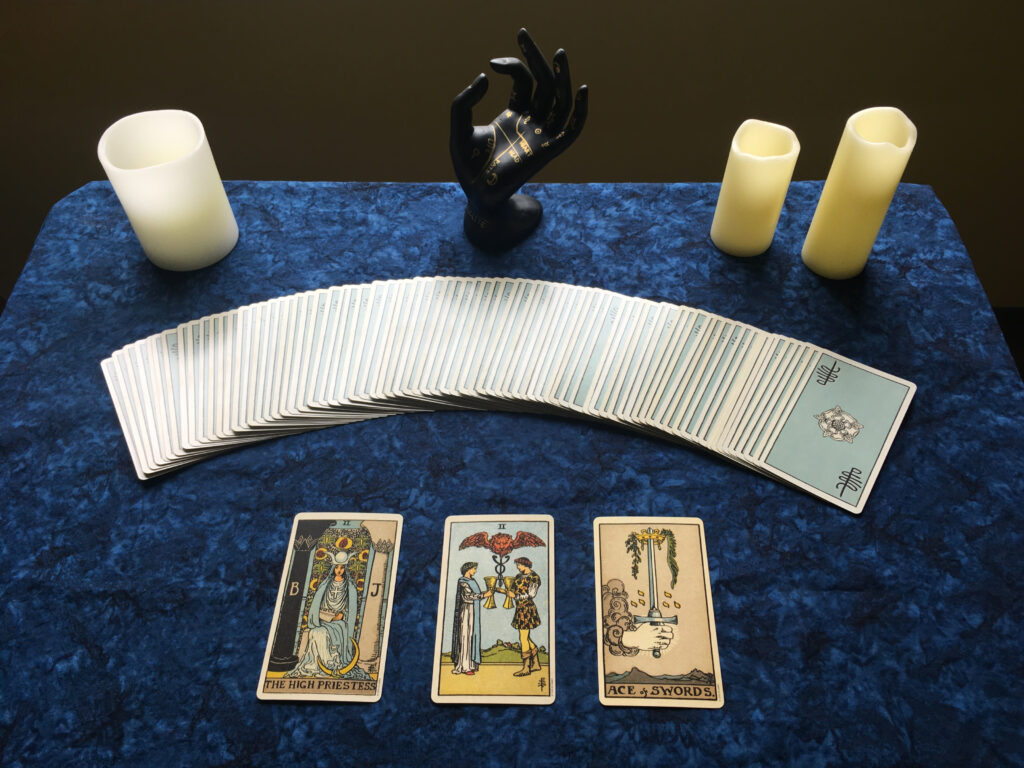
A three-card spread works well: what I know, what I am avoiding, and what I can do next. Write one sentence for each card before looking up meanings. Your first impression matters because it shows what the image stirred before research complicated it.
Add A Cooling-Off Rule
If a reading makes you feel urgent, wait before acting. Put the cards away, drink water, and revisit your notes later. Tarot is a mirror, not an emergency command system. The best readings often become clearer after the nervous system settles.
For very charged topics, ask a friend, use a single card, or skip the reading and journal instead. Discernment is part of divination. Sometimes the most magical choice is refusing to turn anxiety into a spread.
Image source: Wikimedia Commons.
Start by naming the attachment
When you are emotionally close to a tarot question, the reading can become a search for reassurance instead of insight. Before shuffling, write one sentence naming what you want to hear and one sentence naming what you are afraid to hear. This simple bias check helps you read the cards instead of forcing them into the answer you already prefer.
Use questions that create distance
- What part of this situation am I seeing clearly?
- What part am I avoiding?
- What action is available to me in the next 24 hours?
- What boundary would make this easier to understand?
- What information should I wait for before deciding?
A three-card spread for emotional questions
Try: the feeling, the fact, the next grounded step. The first card lets emotion have a place without running the whole reading. The second card asks what is observable. The third card turns the reading into action. If the third card suggests something vague, translate it into one ordinary step like resting, asking directly, checking a document, or waiting until you are calmer.
When not to read again
Do not keep pulling cards until your nervous system feels temporarily soothed. If you have asked the same question repeatedly, pause for at least a day and write what you already know. Tarot is strongest when it supports reflection, consent, communication, and practical decision-making. It should not replace professional support, medical care, legal advice, or direct conversation when those are needed.