Crystal cleansing resets the symbolic focus of a stone after use. It is especially helpful after protection, grief, conflict, or intense emotional work.
Safety matters because not every crystal belongs in water, salt, or direct sunlight.
Dry Cleansing Methods
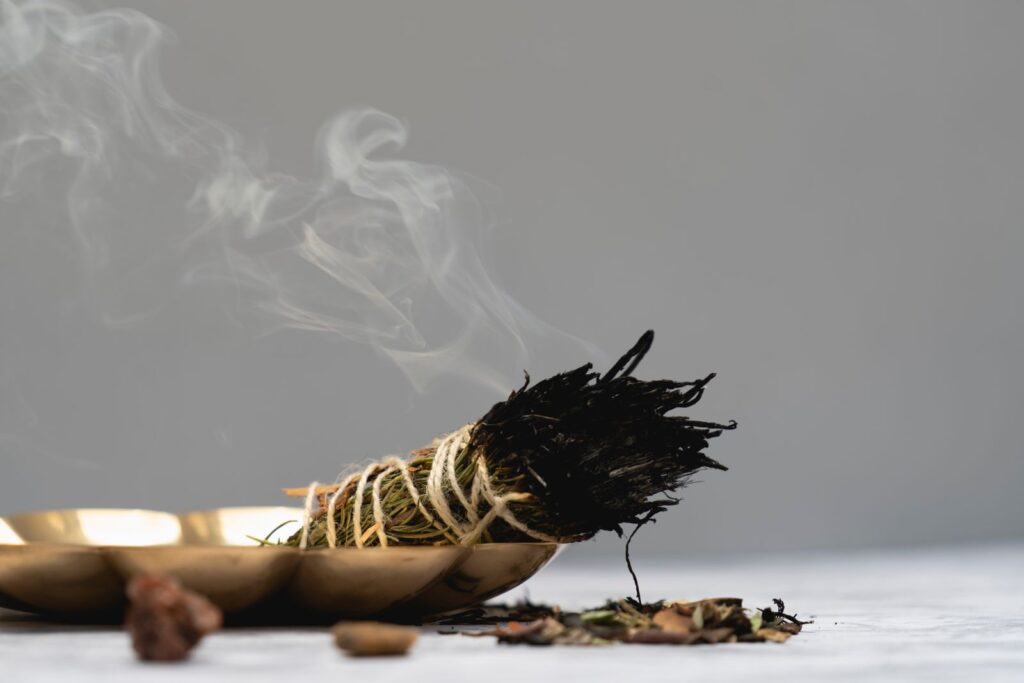
Sound, smoke, breath, visualization, prayer, and moonlight are flexible options that work for many stones without soaking them.
Water And Salt Cautions
Some stones dissolve, rust, flake, or leach when placed in water or salt. When in doubt, keep the stone dry and use a separate bowl of water as symbolism.
Sunlight And Fading
Amethyst, rose quartz, fluorite, and other stones may fade in strong sunlight. Use short exposure or moonlight if color matters to you.
Related Resources
Crystal cleansing should refresh the meaning of a stone without damaging the stone itself, your home, or the people around you.
Skip Water Unless You Know The Stone
Some stones can be damaged by water, salt, or soaking. Selenite, malachite, pyrite, lapis lazuli, and many soft or porous stones need extra caution. If you are not sure, choose a dry method. A simple wipe with a soft cloth plus intention is often enough.
Gentle Cleansing Methods
Try smoke wafted nearby, sound from a bell, moonlight near a window, breath, visualization, a bowl of dry rice kept for that purpose, or placing the stone beside clear quartz. You can also set the crystal on a written note that says what you are releasing and what role the stone will hold next.
Reset The Purpose
After cleansing, tell the crystal what it is helping with. “This amethyst supports calm sleep,” or “This black tourmaline marks a boundary at my desk.” The reset matters because cleansing is not only about removing energy; it is also about clarifying use.
Keep Practical Safety First
Avoid putting crystals in drinking water unless the stone is known to be safe and physically clean. Keep small stones away from children and pets. Sunlight can fade some crystals, so use short exposure or moonlight when in doubt.
Related Practice
For more context, explore the Witchcraft Guides, ritual recipes, and Grimoire Starter Checklist. Use those pages to turn this topic into notes, repeatable steps, and personal observations.
Make This Practice Your Own
Create a “safe default” routine: soft cloth, breath, sound, and a spoken reset. This works for almost every stone and avoids the common mistake of soaking crystals that should never sit in water.
A Beginner-Friendly Variation
If you sell, trade, or lend stones, cleanse them before and after handling. If a stone is only used by you, cleanse it when the purpose changes, after emotionally heavy work, or when it has been sitting unused for a long time.
What To Record
Keep a short care note for fragile stones in your grimoire. Write “no water,” “no salt,” “avoid sun,” or “dry cleanse only” next to the stone name.
For a fuller practice record, note the date, moon phase, materials, mood, action taken, and any result you can observe later. This keeps How to Cleanse Crystals Safely connected to lived experience instead of leaving it as a one-time idea.
How To Know It Is Working
With How to Cleanse Crystals Safely, look for ordinary evidence before looking for dramatic signs. A useful practice should make your next step clearer, help you notice a pattern, or change how you behave in a small but visible way. If nothing in daily life changes, the ritual may need a clearer purpose or a simpler action attached to it.
Give the work a time frame. For a quick spell, review it after a day or a week. For a habit, planner page, protection practice, or relationship-focused ritual, review it after one moon cycle. Write what happened, what did not happen, and what you would change. That review is part of the magic because it turns vague hope into learning.
Common Mistakes To Avoid
Do not add more tools just because the result feels uncertain. More herbs, stones, cards, candles, or pages can make the practice harder to understand. Start with the smallest version that still feels meaningful, then adjust one thing at a time. Also avoid treating correspondences as rules. They are language, not law.
If the working involves another person, keep consent and boundaries in mind. Focus on your clarity, courage, communication, healing, protection, or choices. If the working involves safety, health, money, housing, or legal concerns, pair spiritual practice with qualified real-world help and practical planning.
A Simple Closing Step
End by naming one mundane action. Clean the space, send the message, make the appointment, drink water, update the budget, prepare the notebook, or rest. Closing with action keeps the practice grounded and gives you something specific to evaluate later.
Quick Reference
Use this topic as a reference page and a practice page. First, read for meaning. Second, choose one small action. Third, record what happened. That three-part approach keeps the information useful whether you are planning a spell, updating a grimoire, preparing a ritual, or comparing correspondences.
If you return to this topic later, look for what changed in your own notes. Personal experience, safety, consent, and practical follow-through should shape how you use any magical correspondence or ritual structure.