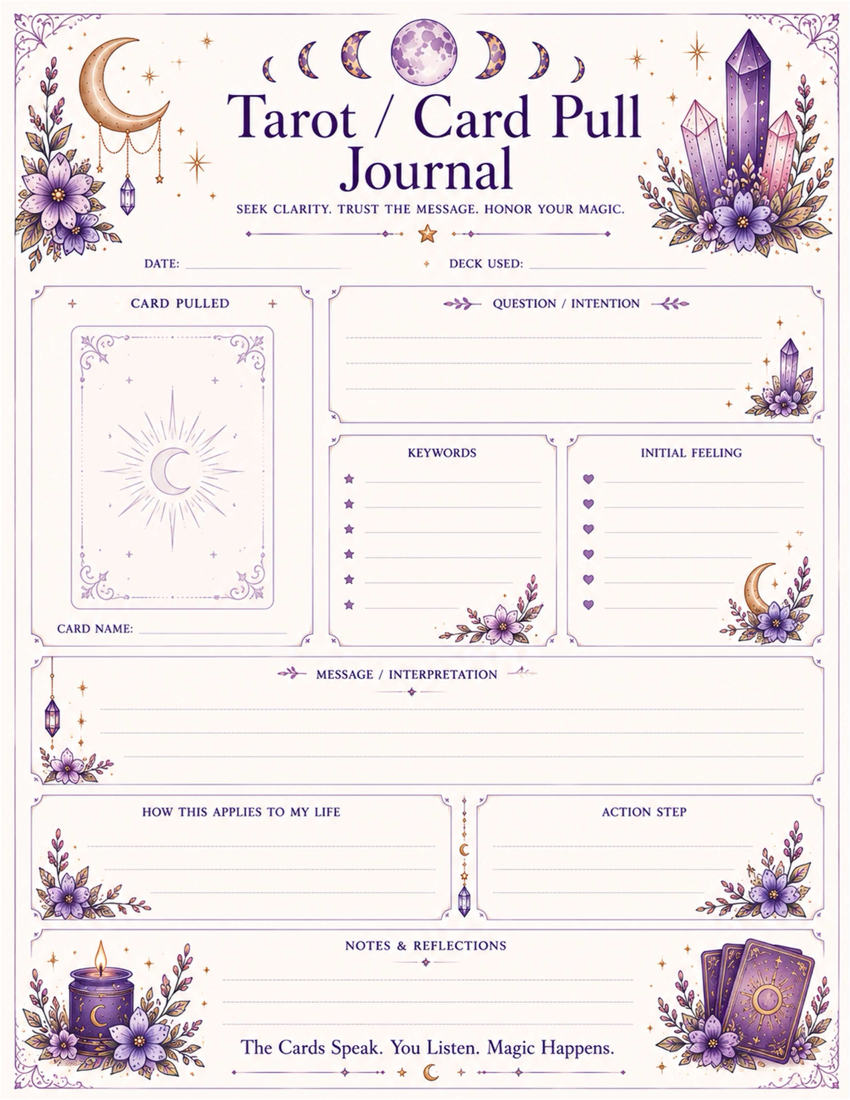
Witchcraft Resource publishes practical witchcraft guides, reference pages, tools, recipes, and curated resource notes for readers who want clear, usable information.
How We Build Pages
Resource pages are written to answer a specific question or support a specific practice. We aim to separate historical context, folklore, modern practice, and personal interpretation so readers can tell what kind of claim they are reading.
What We Prioritize
- Direct answers near the top of reference pages.
- Descriptive headings that make pages easy to scan and cite.
- Clear distinction between traditional associations and modern use.
- Practical cautions when a topic involves herbs, smoke, fire, pets, skin, food, or health-adjacent claims.
- Updates when pages become outdated, unclear, or incomplete.
Reader Use
Our content is educational and reflective. It is not medical, legal, financial, or emergency advice. Readers should use ordinary safety judgment and consult qualified professionals when a situation calls for professional support.
Editorial checklist
Before a page is treated as a durable guide, it should answer a specific reader need, use clear headings, separate practical steps from interpretation, and link to related resources that help the reader continue safely. Thin pages, duplicate pages, and pages that exist only to send readers to a product are candidates for expansion, consolidation, or noindex handling.
Safety and limits
Guides involving herbs, smoke, candles, oils, baths, food, pets, pregnancy, allergies, mental health, or household safety should include practical cautions. Magical symbolism does not override mundane risk. We prefer smoke-free, low-cost, and beginner-safe alternatives when a common practice may not fit a reader’s home.
Reader value standard
A useful page should leave the reader with a clearer decision, a safer method, a better question, or a repeatable record. If a page is mostly summary, decoration, affiliate links, or generic keywords, it needs more original examples, context, and practice notes before it belongs in the index.
Page Quality Goals
Useful pages should answer a specific reader need, explain terms plainly, include safety or consent notes where relevant, and point to related guides without forcing a purchase. Tool pages should explain how to interpret the result, not just provide a button.
Product pages and shop collections should be treated as secondary to the educational library. Recommendations should help readers choose by practice, safety, budget, and usefulness.