Beginner mistakes are normal. The goal is not to avoid every awkward first attempt. The goal is to notice patterns early so your practice becomes safer, clearer, and more personally useful.
Buying before practicing
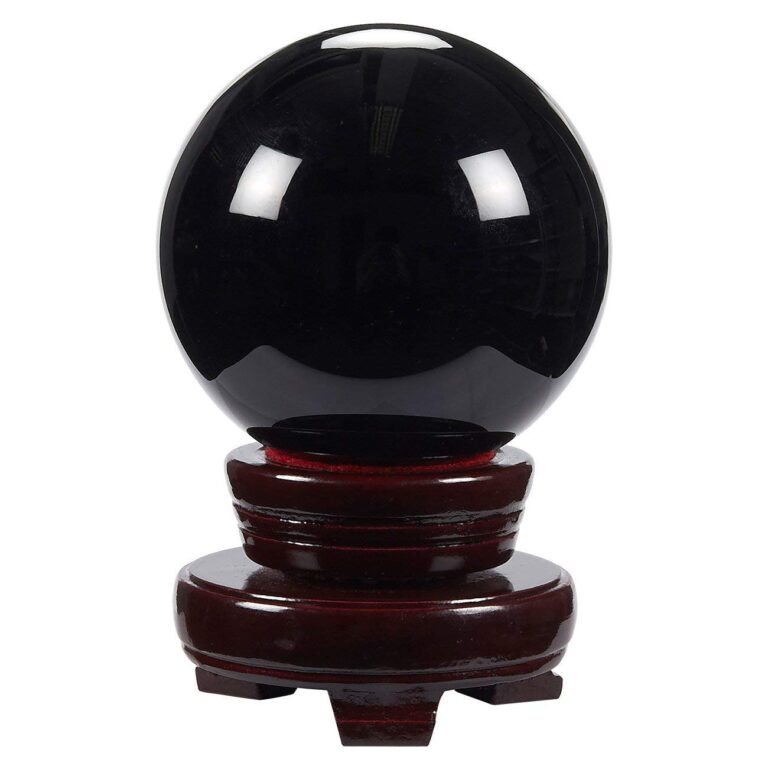
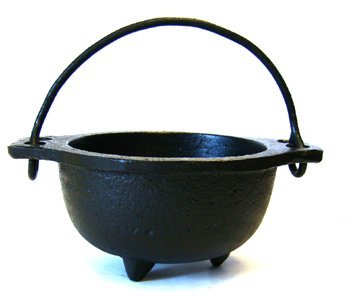
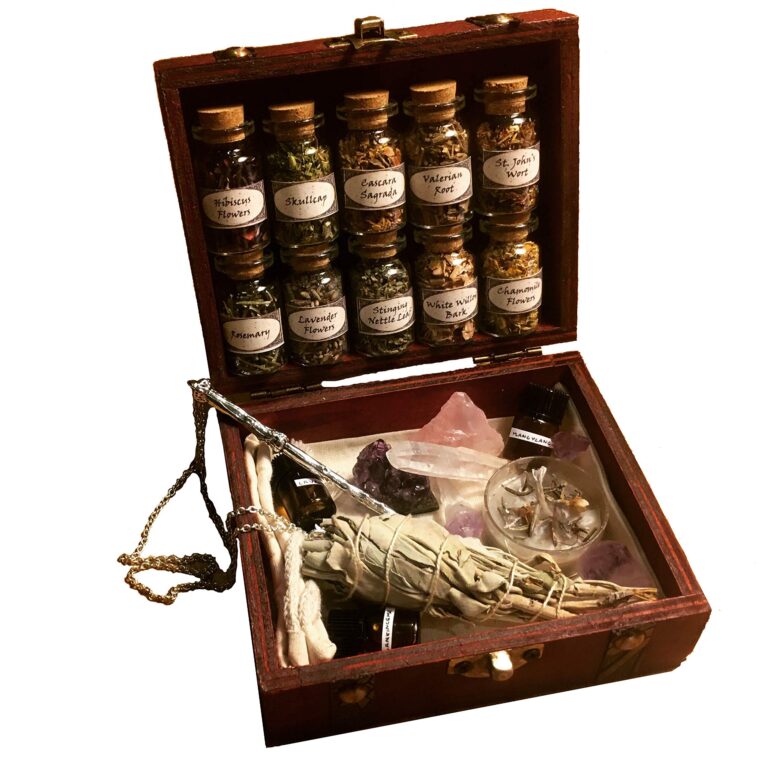
It is easy to buy tools faster than you learn them. Start with a notebook, one divination method if you want one, one candle-safe option, and a few household materials. Practice with those before adding more. If you cannot explain what a tool does in your practice, wait before buying it.
Trying to do too much in one spell
A beginner spell should have one main intention. Protection, money, love, confidence, sleep, and revenge do not belong in the same working. If a spell feels crowded, split it into smaller workings and choose the most urgent practical action first.
Skipping safety
Natural materials still need safety checks. Herbs can irritate skin, harm pets, trigger allergies, or be unsafe to burn. Candles need supervision. Salt can damage plants and surfaces. Crystals can fade, scratch, or react badly to water. Safety is part of the craft.
Over-reading signs
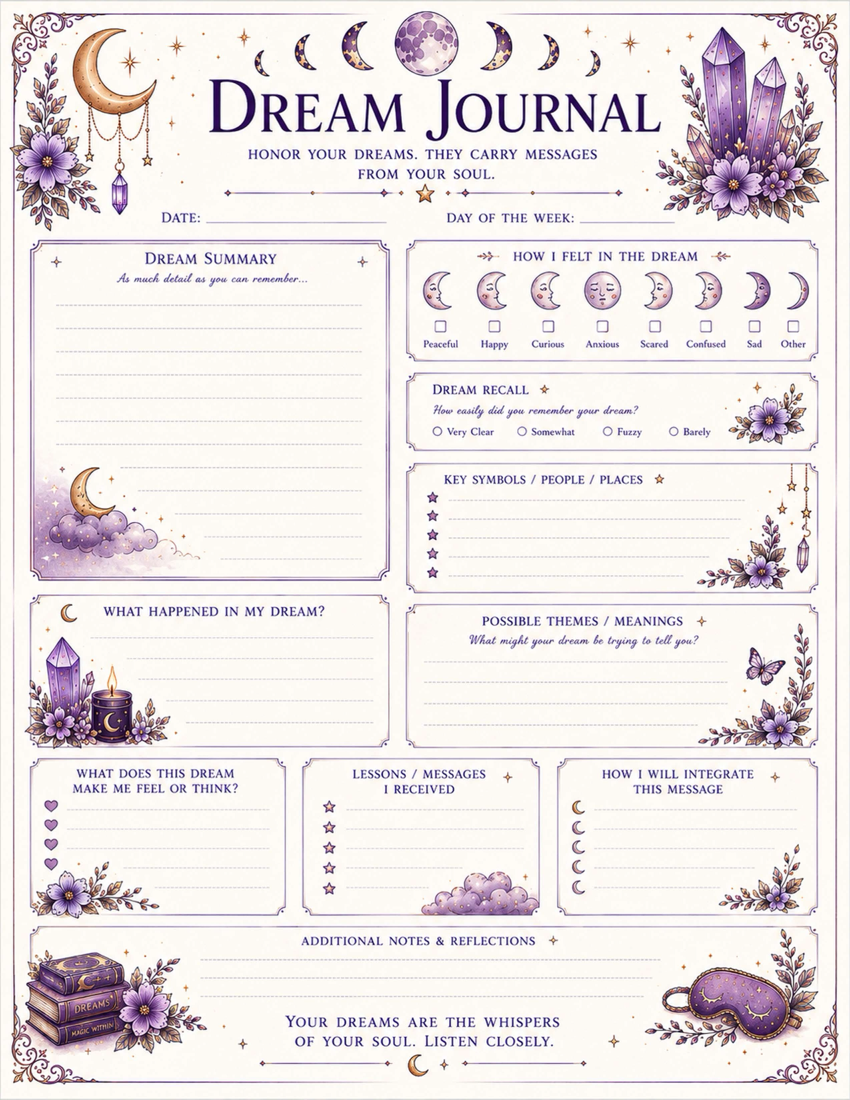
Not every flicker, card, dream, or coincidence needs to become a message. Record patterns, but avoid building huge conclusions from one moment. A grounded practice leaves room for symbolism and ordinary life at the same time.
Forgetting to review
If you never return to your notes, you cannot learn what worked. Add review dates to spells, readings, and moon intentions. Keep what helps and revise what does not.
Related guides
Start with Beginner Witchcraft Pathway, Beginner Witchcraft Supplies, and Grimoire Organization.
How To Recover From A Messy Start
If you bought too much, choose five items to actually learn and store the rest. If you copied too many correspondences, make a one-page list of the ones you have used personally. If a spell was too vague, rewrite it as one sentence and add a practical action. If divination became anxious, take a break and review old readings instead of pulling new ones.
A Better Beginner Pace
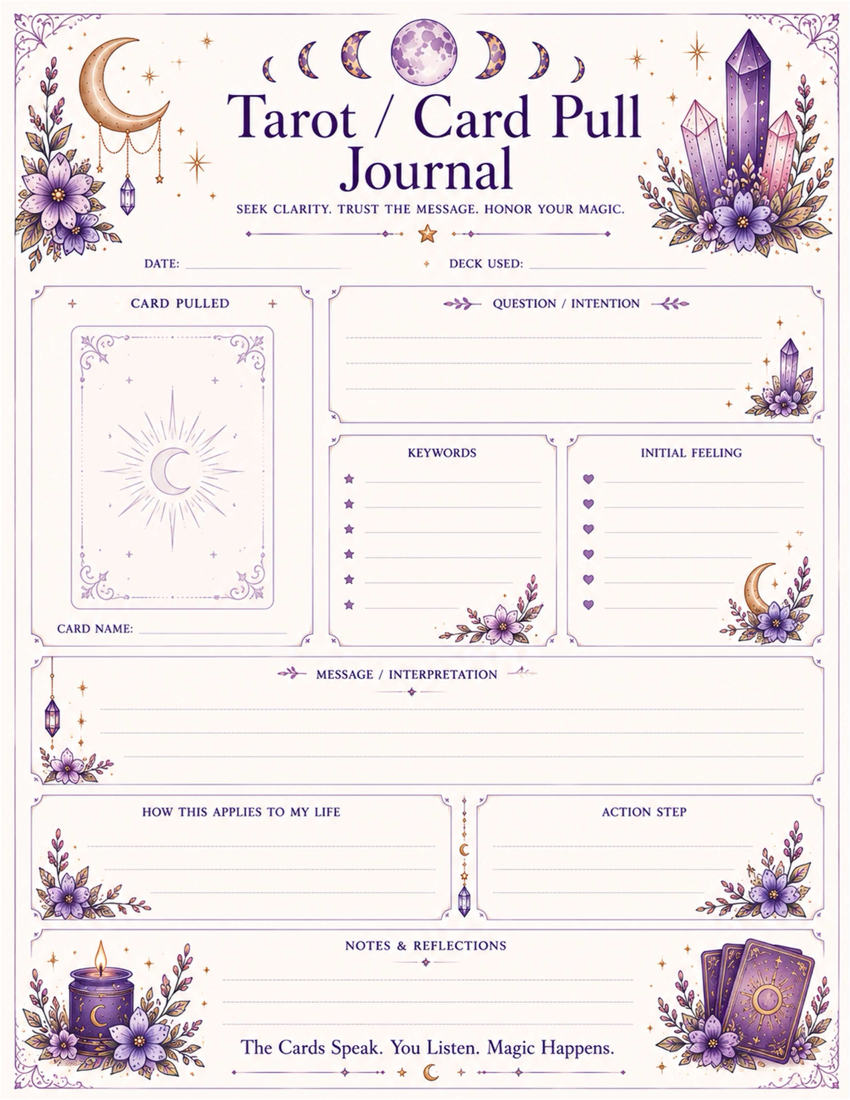
Pick one practice for two weeks: moon notes, tarot journaling, protection work, candle safety, or grimoire organization. Repetition teaches more than constant novelty. Once the practice feels familiar, add the next layer.
Use Mistakes As Data
A mistake does not mean the practice failed. It gives you information. If the spell was too large, you learned to narrow the intention. If the herb was unsafe for your home, you learned to use symbolic substitutions. If a reading made you anxious, you learned to set divination boundaries. Record the lesson and keep going at a steadier pace.