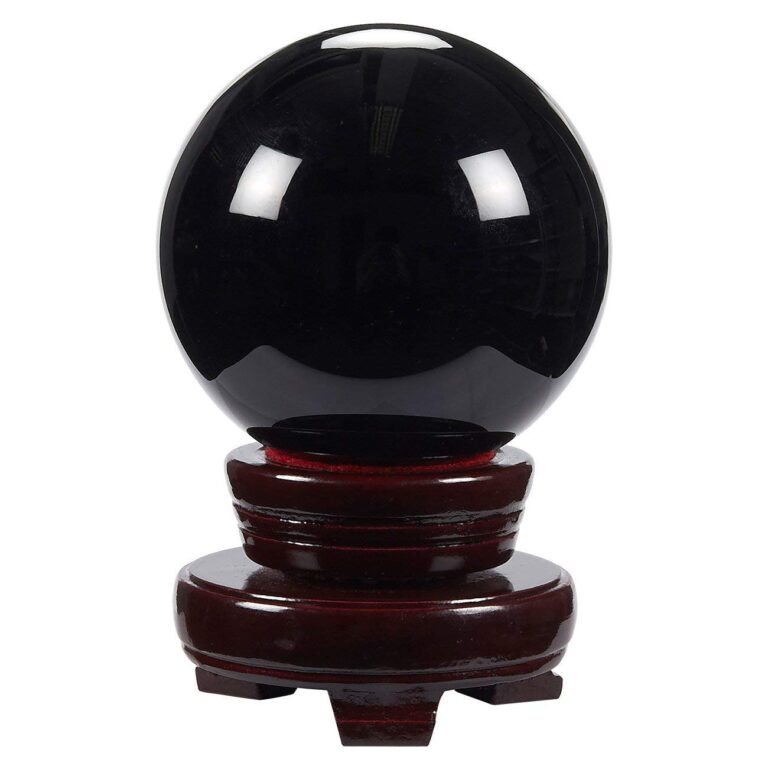
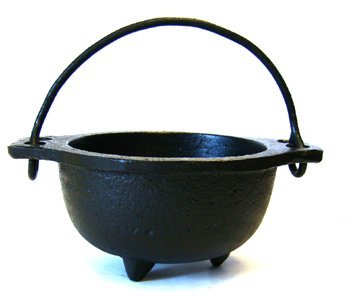
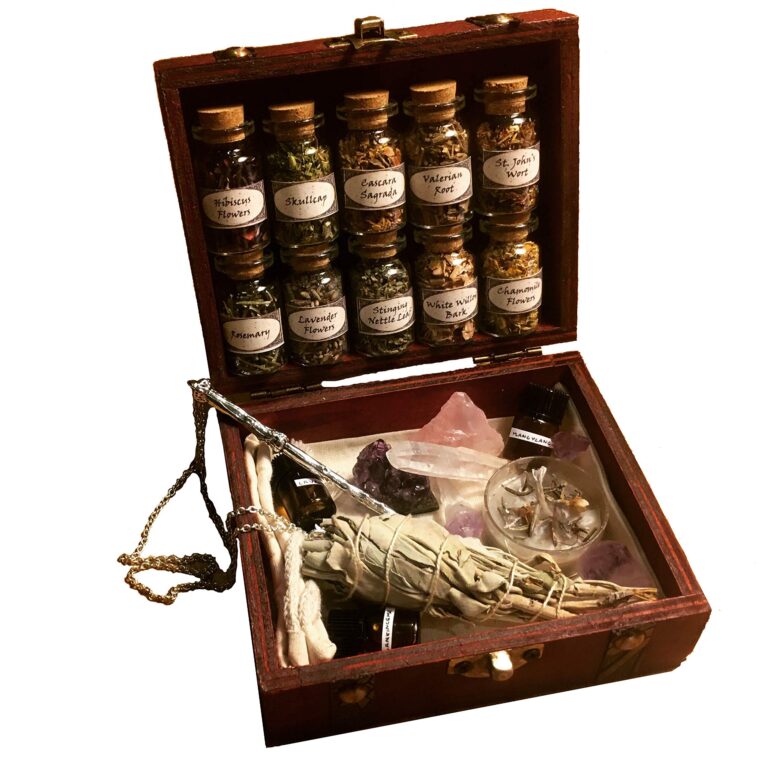
A home ward is a repeating boundary for the place where you live. It can be a charm, a spoken rule, a protection bowl, a cleaned threshold, a symbol, or a routine. The strongest wards are simple enough to maintain and specific enough to mean something.
Choose the ward purpose
Begin by naming what the ward is for. A ward for peaceful sleep is different from a ward for privacy, unwanted visitors, digital boundaries, or emotional decompression after work. Write one sentence such as “This bedroom is for rest and repair” or “Only welcome guests and honest communication enter here.”
If the sentence is vague, the ward will be vague. If it tries to cover every fear at once, divide it into smaller wards by room or threshold.
Threshold ward method
- Clean the threshold, doorframe, or window area.
- Write the ward sentence on paper.
- Add one symbol: key, rosemary packet, protective sigil, small stone, or drawn mark.
- Place it safely near the threshold or keep it in your grimoire if visible placement is not practical.
- Pair it with a real action: lock, repair, communicate, block, label, or clear.
Room-by-room examples
For an entryway, use a key symbol and a boundary statement. For a bedroom, use a calming color, lavender only if safe for your household, or a written rest charm. For a desk, use a focus sigil and a practical work boundary such as closing unrelated tabs. For a kitchen, use cleaning, labeling, and gratitude before meals.
Maintenance
Refresh wards monthly, seasonally, or whenever the space changes. Moving furniture, hosting guests, ending a relationship, beginning a new job, or changing routines can all be good times to reset. A ward that is never reviewed becomes background decoration.
Safety and consent
Do not hide physical materials where roommates, children, pets, or maintenance workers could be affected. Use written or symbolic wards when shared space makes objects inappropriate. Protection magic should support safety, not escalate conflict.
Related guides
Continue with Protection Magic For Beginners, Protection Bowl Ideas, and Spell Builder.
Worked Example: Desk Ward For Focus
Clear the desk and remove anything unrelated to the next task. Write “This desk holds focused work and clear decisions” on a small card. Add a yellow thread, rosemary packet, or simple focus sigil. Place it in a drawer or under a notebook where it will not become visual clutter.
Pair the ward with a practical rule: one browser window, phone away, timer set, or one written task. The ward reminds you of the rule; the rule makes the ward functional.
When To Retire A Ward
Retire a ward when it no longer matches the space, when you move, when the situation resolves, or when it feels stale. Thank the object if that fits your practice, clean reusable pieces, and dispose of paper or herbs safely.